


How Synulox Works
Synulox works through a dual-action antimicrobial mechanism that combines amoxicillin and clavulanic acid to effectively eliminate bacterial infections in pets. Amoxicillin, a penicillin-class antibiotic, kills susceptible bacteria by inhibiting cell wall synthesis, causing the bacterial cell to weaken and eventually rupture. However, some bacteria produce beta-lactamase enzymes that can break down amoxicillin and make it ineffective. To overcome this resistance, Synulox includes clavulanic acid, a beta-lactamase inhibitor that binds to and neutralizes these enzymes. By protecting amoxicillin from degradation, clavulanic acid restores and enhances its ability to target resistant bacteria. Together, these two components provide broad-spectrum coverage and improved efficacy against a wide range of bacterial pathogens.
Key Advantages
Broad-Spectrum Antibacterial Activity
Effectively treats a wide range of bacterial infections in cats and dogs, including strains resistant to amoxicillin alone.
Dual Mechanism of Action
Amoxicillin kills bacteria by disrupting cell walls, while clavulanic acid protects it from degradation by beta-lactamase enzymes, enhancing efficacy.
Flexible Formulations
Available in tablets and oral suspensions, making it easier to administer to pets of different sizes and preferences.
Safe and Veterinarian-Approved
Widely prescribed for cats and dogs with established dosing guidelines, ensuring reliable and safe treatment outcomes.
Synulox Possible Side Effects
- Vomiting or diarrhea
- Loss of appetite
- Mild lethargy
- Allergic reactions (rare) such as swelling or hives
Other unexpected reactions may occur; contact your veterinarian if you notice anything unusual.
When Synulox Should NOT Be Used
Allergy to penicillins or cephalosporins
Pets that have shown hypersensitivity or allergic reactions to beta-lactam antibiotics must not receive Synulox.
Severe kidney dysfunction
Use is not recommended in pets with advanced renal impairment unless under close veterinary supervision.
Known history of antibiotic-induced colitis
Pets prone to severe gastrointestinal reactions may not tolerate Synulox.
Small animals highly sensitive to antibiotics
Use in species such as guinea pigs, hamsters, and chinchillas is not advised, as amoxicillin can be harmful to them.
Drug Interactions
Certain medications may interact with Synulox and should be used cautiously:
- Bacteriostatic antibiotics (e.g., tetracyclines, chloramphenicol) - may reduce Synulox's effectiveness
- Allopurinol - may increase risk of allergic skin reactions
- Methotrexate - potential toxicity may increase
- Aminoglycosides (e.g., gentamicin) - may reduce antimicrobial effectiveness when combined
- Probenecid - can increase blood levels of amoxicillin
Always inform your veterinarian of any medications, supplements, or herbal products your pet is currently taking before starting Synulox.
Storage Conditions
Store at room temperature, ideally between 20°C–25°C (68°F–77°F).
Keep tablets in their original packaging to maintain potency and avoid moisture.
Protect from heat, humidity, and direct sunlight.
Store in a dry place, away from kitchens, bathrooms, or damp environments.
Keep out of reach of children and pets.
Proper storage ensures the medication remains effective throughout its shelf life.
Common Uses in Pets
1. Skin & Soft Tissue Infections (wounds, abscesses, pyoderma)
2. Respiratory Infections (kennel cough, pneumonia)
3. Urinary Tract Infections (UTIs)
4. Dental Infections (periodontal disease, tooth abscesses)
5. Gastrointestinal Infections (caused by susceptible bacteria)
Effectiveness & Resistance
Highly effective against:
- Staphylococci (including some resistant strains).
- E. coli, Pasteurella, and other common pathogens.
Not effective against:
- Pseudomonas or MRSA (methicillin-resistant Staph aureus).
Synulox is typically prescribed based on your pet's body weight. To ensure effectiveness and safety, always follow your veterinarian's instructions.
Standard Dosage
- Dogs & Cats: 12.5–25 mg per kilogram (mg/kg) of body weight
- Frequency: Twice daily (every 12 hours)
- Duration: Usually 5–7 days, but may extend to 10 days or longer depending on the severity and type of infection.
Completing the full treatment course is essential, even if your pet appears to improve early.
How to Calculate the Correct Dose
Your veterinarian will determine the exact dosage, but the general calculation follows these steps
Determine Body Weight
Weigh your pet in kilograms (kg).
If weight is in pounds (lbs), convert using:
lbs ÷ 2.2 = kg
Example:
22 lb dog ÷ 2.2 = 10 kg
Calculate the Required Dose
Use the standard dose range:
12.5–25 mg/kg per administration
Example (using 12.5 mg/kg):
10 kg × 12.5 mg/kg = 125 mg every 12 hours
Choose the Appropriate Tablet Strength
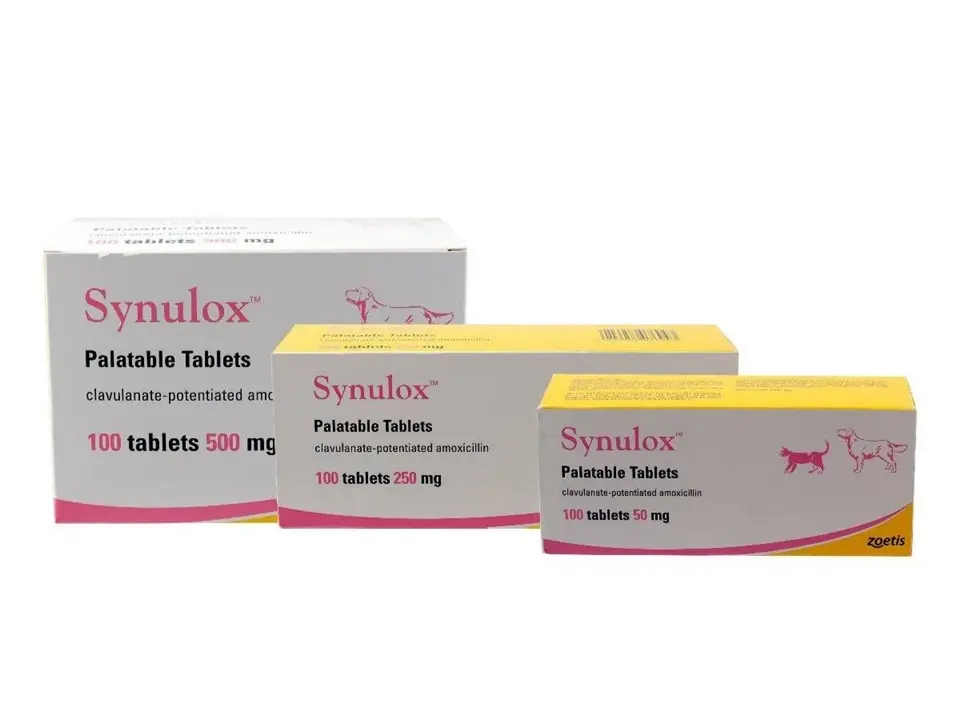
Synulox tablets commonly come in:
50 mg,250 mg,500 mg
Example for a 10 kg Dog:
Required dose: 125 mg every 12 hours
One 250 mg tablet split in half provides 125 mg per dose.
Your veterinarian may also combine tablet sizes to achieve the closest accurate dose.
Administration Tips
- Give Synulox with food to minimize stomach upset.
- Ensure your pet swallows the entire dose.
- If a dose is missed, give it when remembered-but do not double dose.
- Continue treatment for the full prescribed period, even if symptoms improve earlier.
Hot Tags: synulox 50mg per tablet, China synulox 50mg per tablet suppliers, Synulox 500mg Per Tablet, Phenylpropanolamine, Synulox 250mg Per Tablet, Frunevemab, Synulox 50mg per tablet, synulox


